

Blog list
Tree City Eyecare Blog
Learn more about optometrist care in our blog!
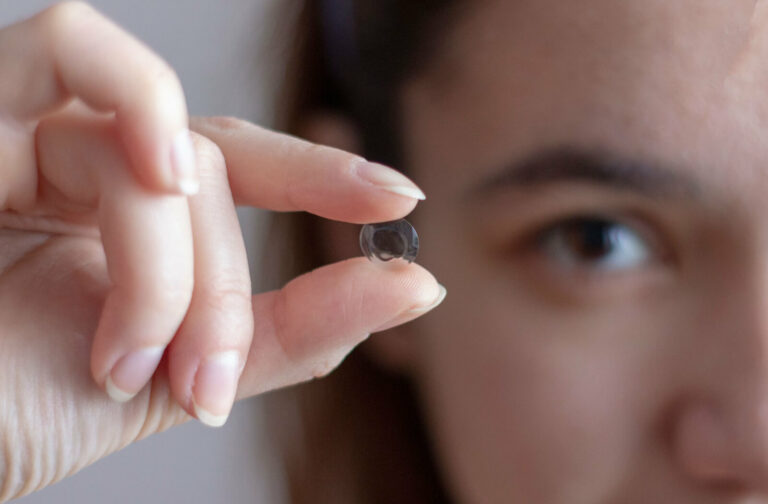
Orthokeratology or ortho-k refers to a non-surgical and reversible vision correction procedure that involves wearing a specially designed gas-permeable contact lens only while you sleep.
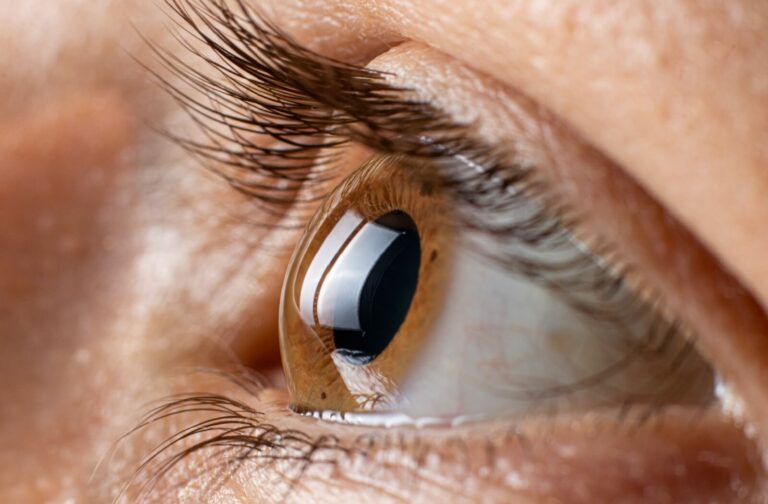
Keratoconus is a progressive eye condition that affects the cornea, causing it to thin and bulge into a cone-like shape. This irregular shape leads to significant amounts of astigmatism, distorting vision and making daily tasks such as reading, driving, or watching television challenging.

Sunglasses are key in protecting your eyes from the sun’s harmful rays. They can make your time outdoors more enjoyable while helping reduce your risk for serious eye conditions like cataracts and macular degeneration.

Ever felt the sting of chlorine in your eyes after a swim? Now imagine that discomfort trapped under a contact lens, along with bacteria and chemicals. Swimming with contact lenses might seem convenient, but it can expose your eyes to harmful microorganisms and chemicals that lead to serious issues, from painful infections to vision-threatening corneal ulcers.

For many kids, wearing glasses can be a hassle—especially during sports, outdoor play, or even just everyday life at school. Contact lenses offer an alternative that can give children more freedom and flexibility

Those who suffer from dry eyes are well aware traditional contact lenses can exacerbate dry eye symptoms. To maintain comfort, you likely continue wearing your eyeglasses.

Contact lenses have come a long way since their early days. With new materials and fitting technologies, today’s lenses are more comfortable and versatile than ever before.

Ortho-K, or orthokeratology, involves a special kind of contact lens that you wear while you sleep to correct refractive errors during the day. It’s often used to treat myopia, but can also be an effective treatment for hyperopia and astigmatism.

Scleral lenses are large-diameter, gas-permeable contact lenses that rest on the sclera, the white part of the eye, rather than the cornea. By vaulting over the cornea, they create a fluid-filled reservoir between the lens and the eye’s surface. This design provides two major benefits: it smooths out the irregular corneal shape common in keratoconus and keeps the eye hydrated throughout the day.

The world is becoming more and more digital by the day. We’re constantly exposed to screens, and with the rise of remote work, it’s almost impossible to navigate life without constantly using some kind of device.
Quick Links

All Eye
Care Services
Keep
In Touch

- Monday 8:00am - 5:00pm
- Tuesday 10:00am - 5:00pm
- Wednesday 8:00am - 5:00pm
- Thursday 8:00am - 5:00pm
- Friday 9:00am - 12:00pm
- Saturday Closed
- Sunday Closed
- We are closed each Tuesday from 8:00 AM – 10:00 AM for staff training
© 2026 Tree City Eyecare. All rights Reserved. Accessibility Statement - Privacy Policy - Sitemap
Powered by:
