

Blog list
Tree City Eyecare Blog
Learn more about optometrist care in our blog!
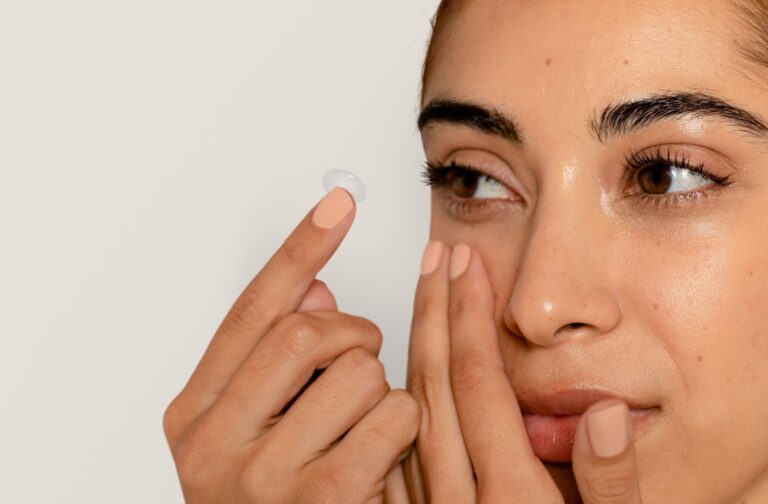
Scleral contact lenses are designed for people with corneal irregularities, severe dry eye, or complex prescriptions. Designed to vault over the cornea and rest on the sclera, these lenses provide a smooth optical surface and a fluid reservoir that can enhance comfort and clarity.

Dry eye can turn wearing contact lenses from a convenient option into a daily challenge. The discomfort, irritation, and sometimes blurry vision can make anyone second-guess their decision to switch from glasses. However, modern contact lens technology has helped people with dry eyes experience both comfort and convenience.
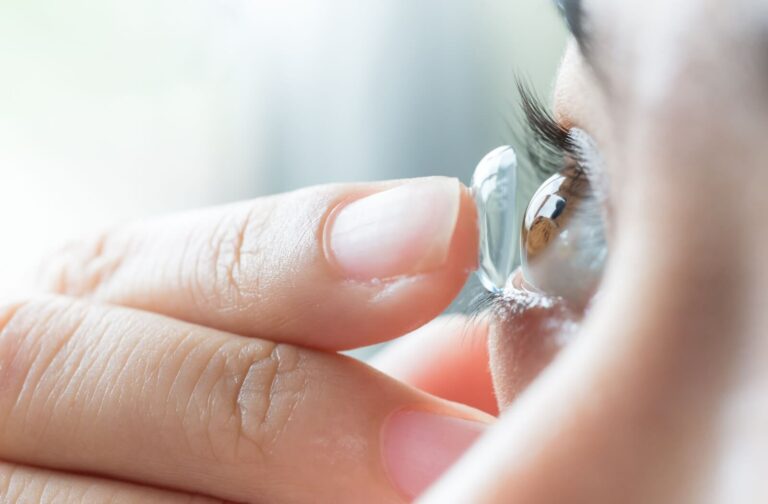
Myopia is much more common than most people think. It’s also a progressive condition; as your child grows and their eyes adjust, myopia often worsens. This is one reason why myopia control is so essential—by taking steps to reduce how much their vision worsens, you can give your child the gift of clearer vision in the future.

If your child has been diagnosed with myopia (nearsightedness), you’ve likely encountered terms like MiSight lenses and ortho-k while researching treatments. MiSight and ortho-k lenses are 2 potential myopia control options, each with its own benefits. There isn’t a one-size-fits-all answer to which is better for your child because it depends on the situation.

With the proper fit and prescription, contact lenses can comfortably provide you clear vision throughout the day. However, they should still be removed before bed or before napping.
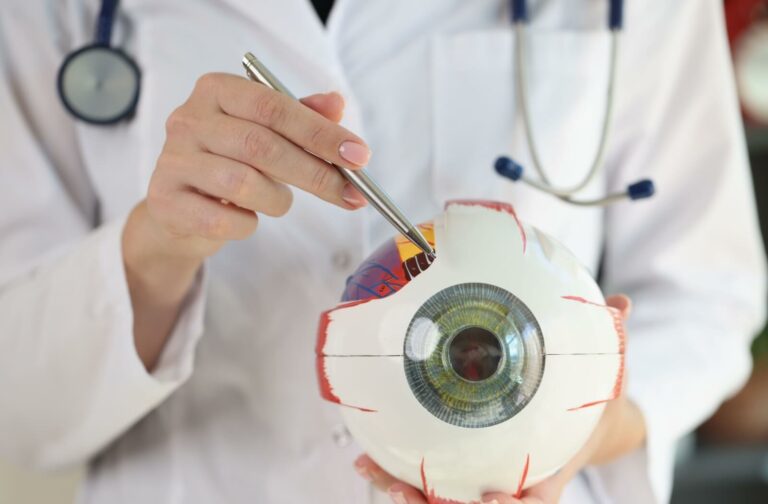
Comprehensive eye exams go beyond assessing your vision; they also evaluate the health of your eyes. These exams can detect not only the onset of ocular diseases, but also general health conditions.
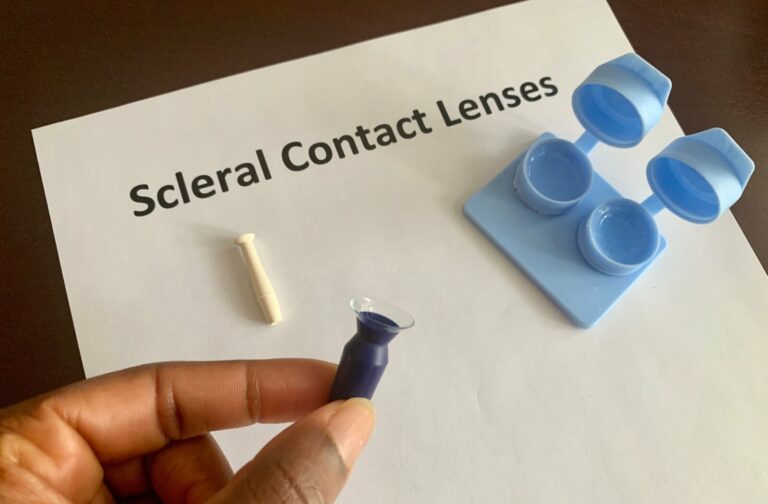
Scleral contact lenses can provide an appealing mixture of visual clarity and comfort for those with certain eye conditions.
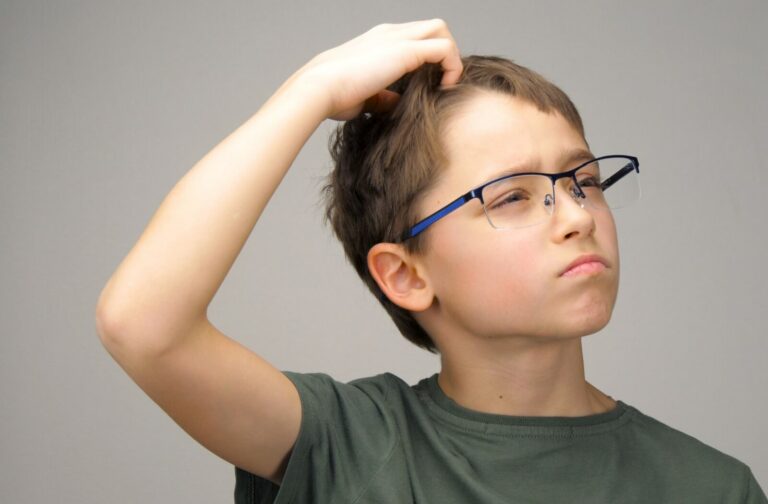
Nearsightedness, or myopia, is a common vision condition that affects millions of children. While myopia cannot be fully reversed, there are effective ways to manage and slow its progression. By understanding what causes myopia and how it develops, parents can take proactive steps to protect their child’s vision.
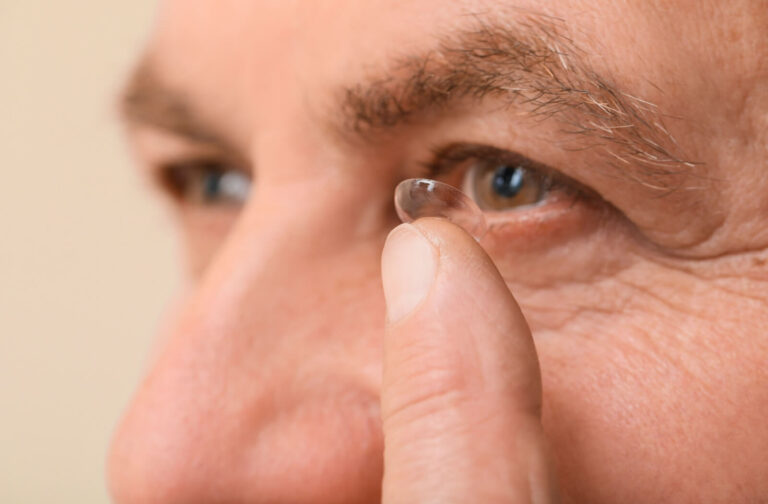
Multifocal contact lenses offer a versatile solution for people with varying vision needs from correcting presbyopia to slowing myopia progression.
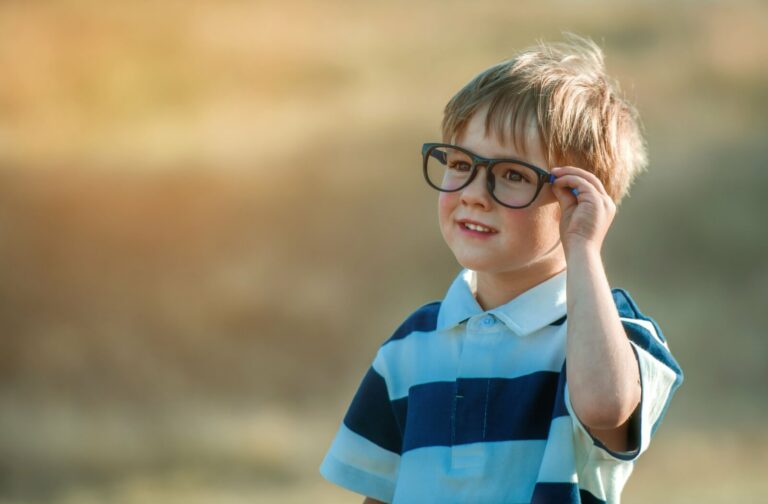
Nearsightedness (myopia) is one of the most common reasons that kids end up needing glasses. In fact, many kids end up needing multiple new pairs of glasses as they grow and their eyes change.
Quick Links
All Eye
Care Services
Keep
In Touch

- Monday 8:00am - 5:00pm
- Tuesday 10:00am - 5:00pm
- Wednesday 8:00am - 5:00pm
- Thursday 8:00am - 5:00pm
- Friday 9:00am - 12:00pm
- Saturday Closed
- Sunday Closed
- We are closed each Tuesday from 8:00 AM – 10:00 AM for staff training
© 2026 Tree City Eyecare. All rights Reserved. Accessibility Statement - Privacy Policy - Sitemap
Powered by:
